
The US-China GPU Race: Who Controls the Future of AI Hardware?
Explore how US-China competition, trade restrictions and complex supply chains shape access to GPUs for AI workloads.
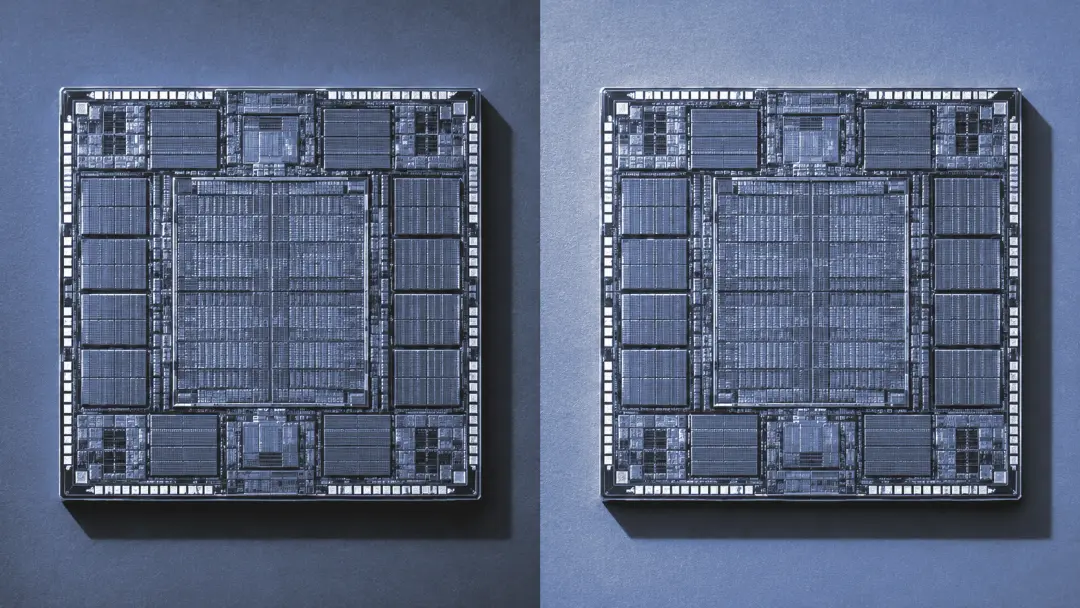
A race with more than one finish line
The GPU wars aren't just about gaming anymore. Graphics processors now sit at the centre of AI workloads, from training large models to running them for users. That makes access to advanced hardware a matter of business planning and national policy as well as compute performance.
The US and China are prominent competitors, but neither country controls every step. A GPU needs a design, manufacturing capacity, memory, packaging and equipment before it can become a usable system. Those steps cross borders, so an advantage in one area does not automatically translate into control of the whole supply chain.
In discussions of gpu geopolitics us china often appears as a two-player contest. That is a useful starting point, but it leaves out the countries and companies involved in producing the tools, materials and components. Think of the race as a network, not a single production line.
Where the US leads, and where China is building
The US has a strong position in advanced GPU design and the software used to develop AI systems. Access to established design expertise and computing infrastructure gives US organisations an advantage in deploying high-performance hardware. That does not mean every chip used by a US organisation is manufactured in the US.
China has a large domestic market for computing hardware and has pursued greater semiconductor self-sufficiency. Domestic chip design and manufacturing capacity matter to that effort, alongside the software needed to make processors useful. Building a complete ecosystem takes more than producing a chip that works in a demonstration.
On balance, the US has the stronger position in access to the most advanced GPU systems and their established software ecosystem. China has significant demand and an incentive to develop domestic alternatives, but matching a whole stack of hardware, manufacturing and software is a difficult task. This is a broad comparison, not a live ranking of individual products.
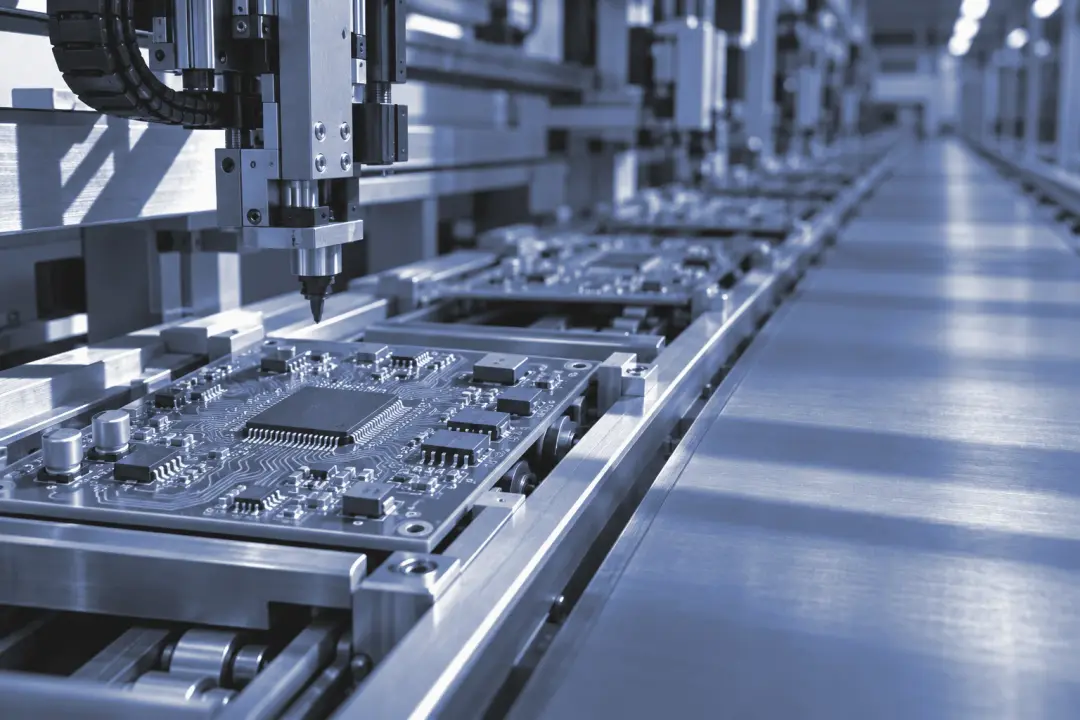
How restrictions reshape supply
Export restrictions can limit access to particular processors, manufacturing equipment or related technology. Their practical effect depends on the product, its destination and the rules in force at the time. A business should not assume that a GPU available in one market can be supplied to another under the same conditions.
When access changes, buyers may need to reconsider specifications, delivery plans or the software they use. Suppliers may also redesign products or adjust distribution. These responses can shift demand elsewhere in the chain, including towards memory and packaging capacity. A silicon shortage is not always a shortage of silicon itself; the bottleneck can be a later production step.
The semiconductor industry overview provides background on how the wider industry is organised. It is useful context, but it is not a compliance guide. For a real purchase or cross-border shipment, check the current requirements with the relevant authorities and qualified advisers rather than relying on a general article.
Production depends on more than processor design
A capable design still needs to be manufactured at the required scale and combined with memory and other components. Advanced packaging connects parts within a system, while power delivery and cooling determine how reliably that system can operate. A powerful GPU with insufficient thermal headroom can run into a very practical limit: heat.
VRAM matters too. AI workloads can demand substantial memory capacity and bandwidth, but more VRAM doesn't fix bad architecture. Memory supply and processor supply are connected without being interchangeable. For a closer look at that relationship, read how AI changed GPU memory.
Self-sufficiency is therefore a spectrum. A country can strengthen local design or expand manufacturing without immediately replacing every imported tool, material or software dependency. Supply chains can become more regional, but moving an entire ecosystem is a much larger job than moving a single factory.
What to check before you buy or relocate hardware
Start with the workload rather than the geopolitical headlines. Ask which applications you need to run, how much VRAM they actually require and whether the software supports the GPU you are considering. The distinction between gaming vs. enterprise hardware is useful, but the application requirements should make the final call.
Then ask the supplier about availability, the exact configuration and support for your operating environment. If the equipment will cross a border, confirm the destination and check current trade requirements before committing. Avoid treating an advertised performance figure as proof that a complete system will suit your workload.
Plan for operational limits as well. Check power and cooling requirements, and leave room in your schedule for possible supply changes. For a more detailed set of selection criteria, see our professional GPU buying guide.
GraphIQ also provides information about computer and peripheral equipment repair. If you have a question about a repair, visit the contact page. This article is general educational information, not legal, trade-compliance or purchasing advice; availability and rules can change.